On the second Sunday of October, Kazakhstan marks the Day of Persons with Disabilities – a date that highlights the importance of equal opportunities, an accessible environment and conditions that enable everyone to realise their potential, make their own decisions and participate fully in society.
Today, more than 756,000 people with disabilities live in Kazakhstan, including 120,000 children and 636,000 adults. Behind each of these figures are people with their own dreams, talents, career plans and achievements.
People with special needs are actively involved in the public and professional life of the country today. They run businesses, engage in public activities and succeed in politics, sport, the arts and other fields.
An important part of this work is the involvement of people with disabilities themselves in discussing and shaping decisions that directly affect their lives. Their expert opinion makes it possible to better take into account citizens’ real needs and improve the social support system.
Today, state policy in this area covers a wide range of measures – from social benefits and rehabilitation to special social services, assistive devices and employment support. The main areas are set out in the Concept of Inclusive Policy in the Republic of Kazakhstan for 2025–2030, which focuses on equal rights, personal independence and participation in decision-making. Particular attention is paid to access to education, employment, infrastructure, information and public services.
One of the tools that expands freedom of choice is the Social Services Portal. In line with their individual habilitation and rehabilitation programme, citizens can choose the assistive devices they need, providers of personal assistant and sign language interpreter services, and sanatorium and spa treatment facilities. This approach makes support more targeted and takes each person’s individual needs into account.
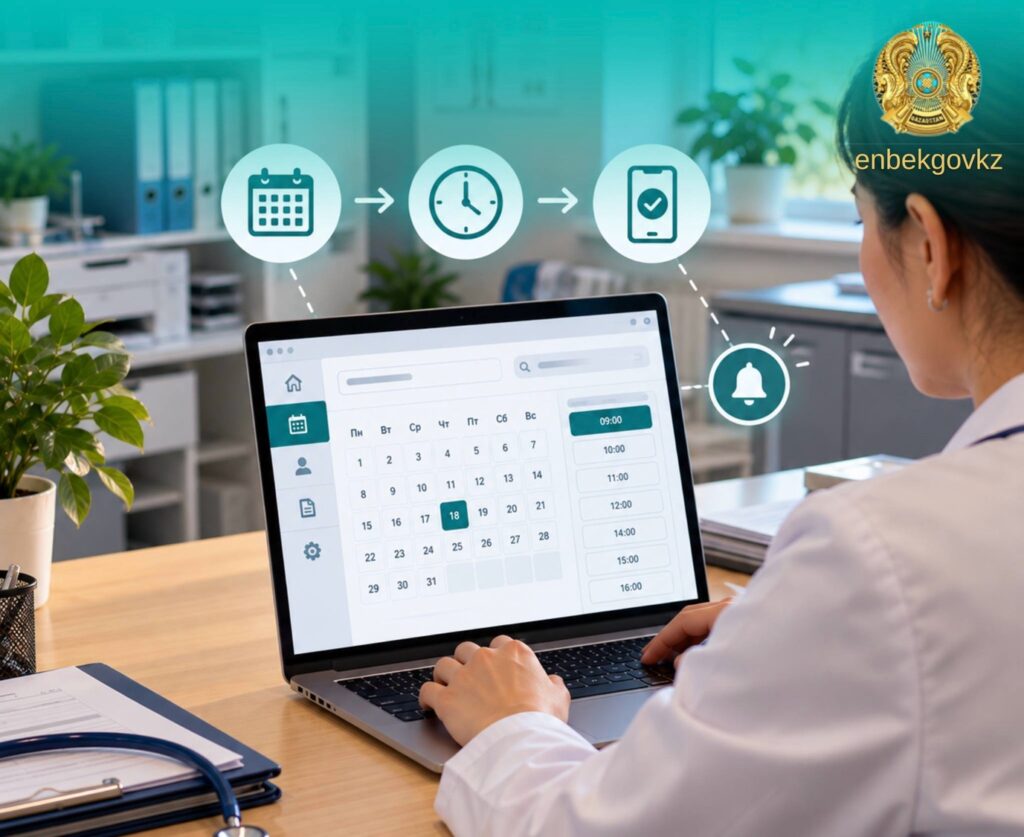
The digitalisation of disability determination continues. In applicable cases, a citizen only needs to contact a medical organisation, after which the necessary documents are transferred electronically and specialists review them without the person having to visit a medical and social assessment unit. This is especially important for residents of remote settlements. As of 1 October 2026, more than 83,400 applications had been reviewed in this format, and 79 independent medical and social assessment experts had been included in the register.