
Institute Structure
All divisions are part of the Republican State Enterprise on the Right of Economic Management “Republican Research Institute for Occupational Safety and Health of the Ministry of Labor and Social Protection of the Population of the Republic of Kazakhstan”.
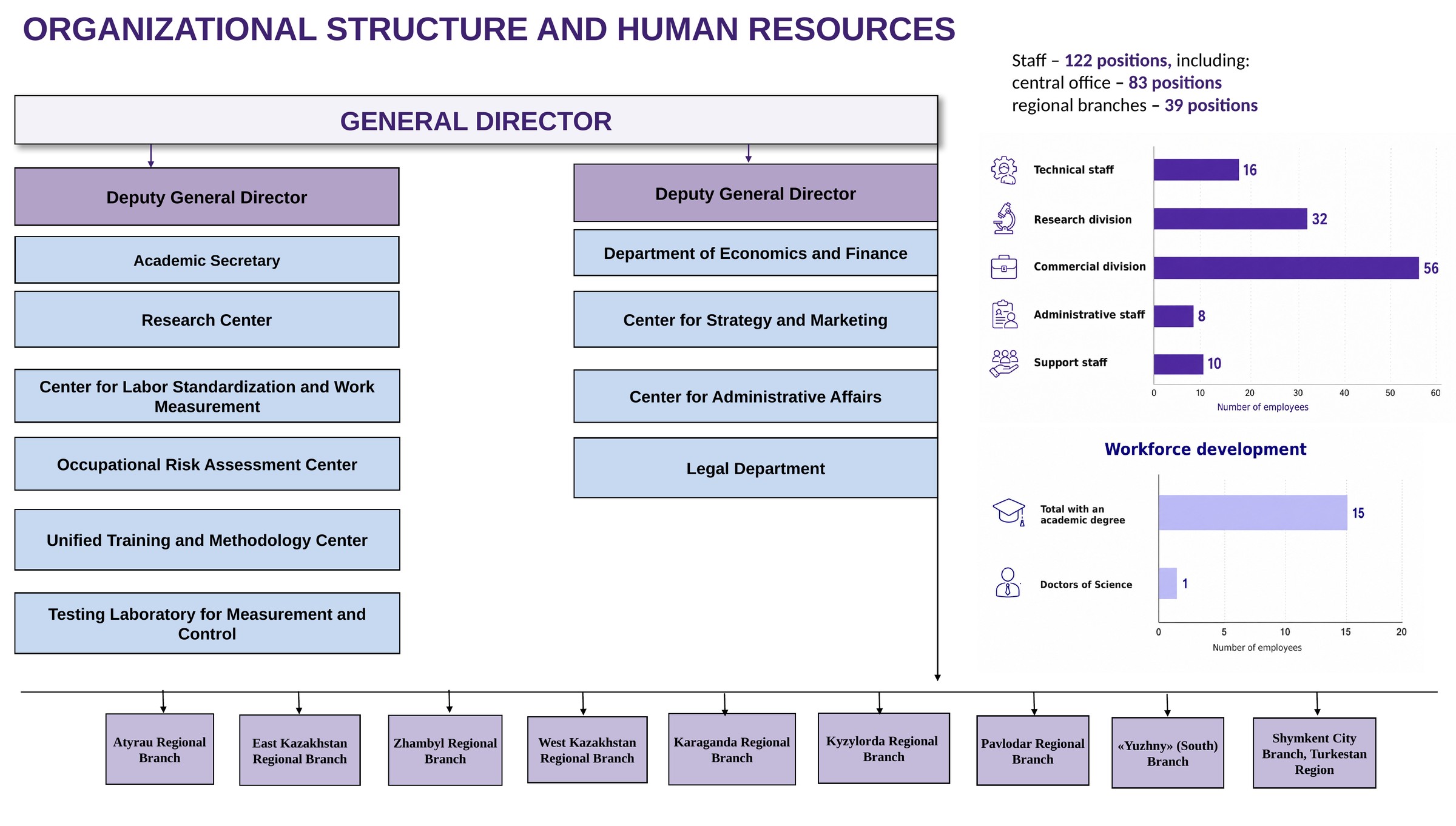
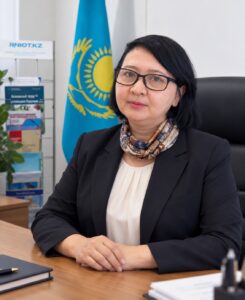
Heads of Structural Divisions
Hover over a card marked “Areas of activity” (tap on a phone) to see what the division does.
Anti-Corruption Compliance Service

Center for Strategy and Marketing

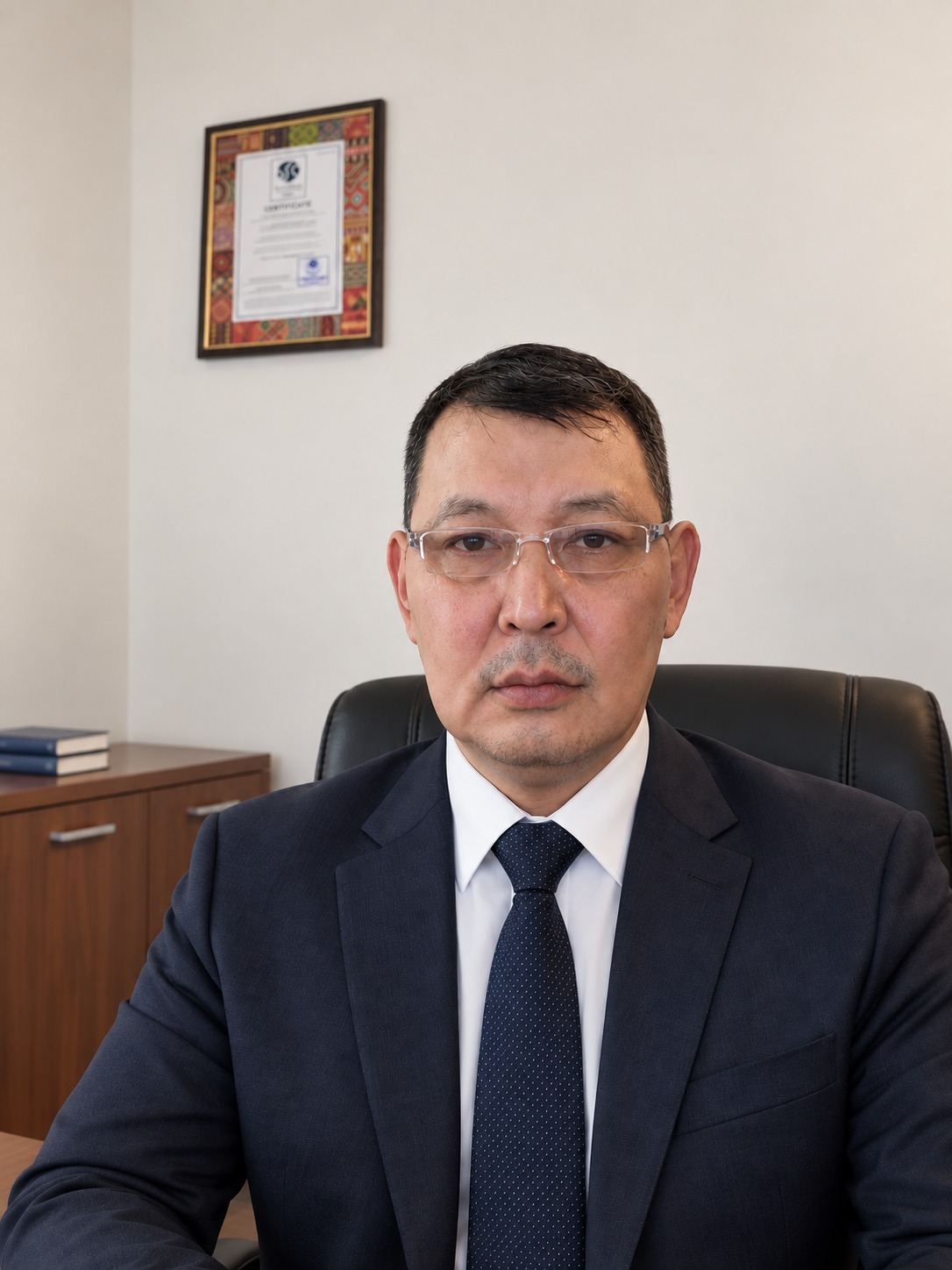
Department of Economics and Finance


Center for Administrative Affairs

The Department provides information services and automates and digitalizes processes in occupational safety.
Areas of activity
- Developing information technologies across the Institute.
- Managing social media and preparing design materials.
- Introducing automated management systems and new portal and website features.
- Running training seminars on software use.
- Ensuring uninterrupted operation of equipment and user workstations, and promptly fixing failures.
- Maintaining server equipment and the network.
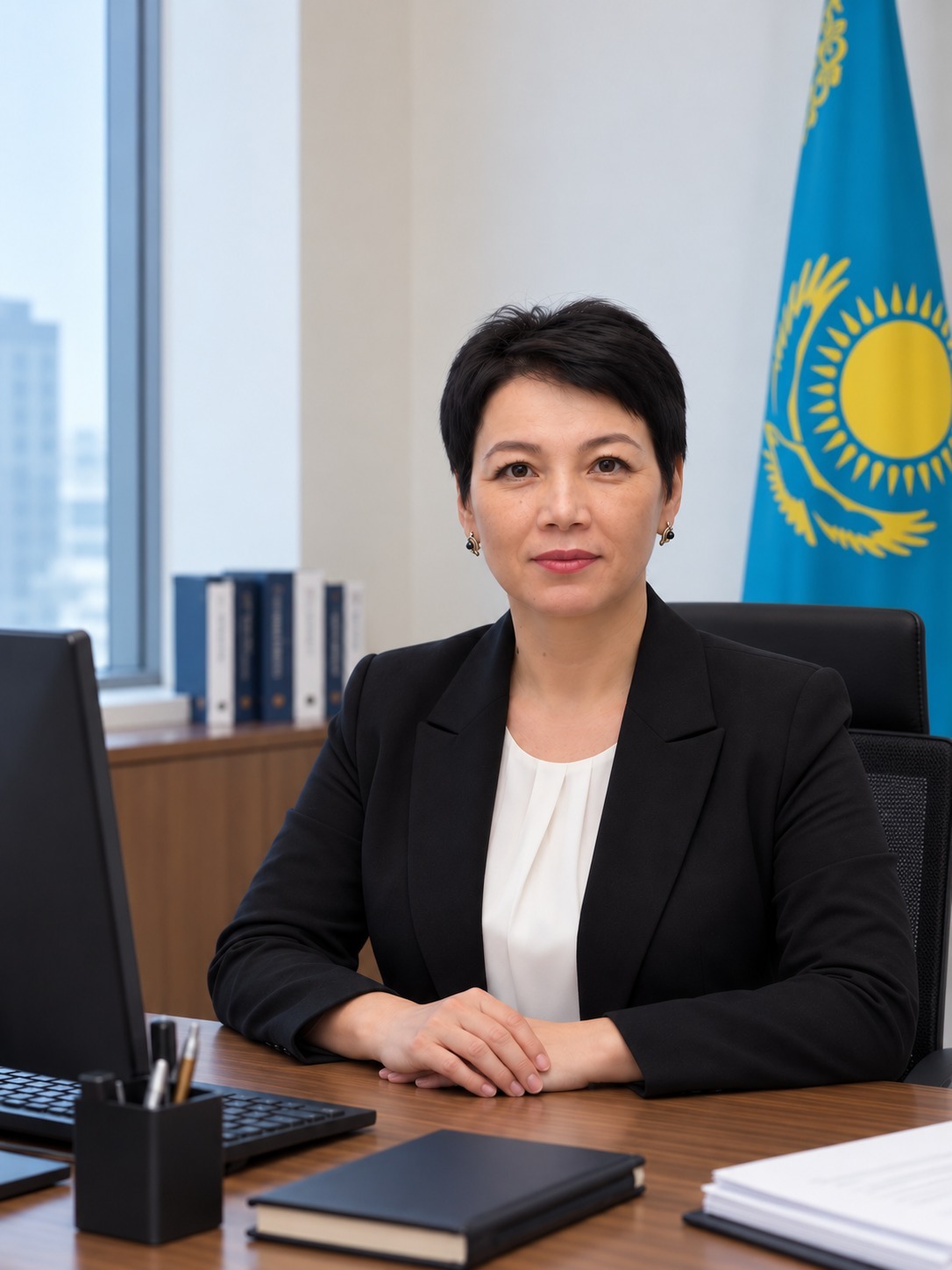


Research Center

The Research Center is a structural division of the Institute that implements scientific and technical programs (STPs) and conducts applied research and analytical studies in occupational safety, occupational hygiene, occupational risks, and social and labor relations.
The Center’s work focuses on developing evidence-based approaches to workplace safety and better working conditions, improving state regulation of occupational safety, conducting statistical research, and preparing analytical materials for management decisions.
Main areas of activity
- Implementation of scientific and technical programs (STPs) — organizing and conducting research, carrying out program activities, and achieving target results.
- Research in occupational safety and hygiene — studying working conditions, production factors, occupational risks, workplace injuries, and occupational diseases.
- Social and legal research — improving the regulatory framework for occupational safety and developing proposals for state policy on workplace safety and health.
- Analytical and statistical research — processing and analyzing data, preparing statistical materials, analytical reviews, forecasts, and expert opinions.
- Development of scientific and methodological materials — preparing methods, recommendations, assessment criteria, and evidence-based proposals for government bodies and employers.
- Development and improvement of occupational risk assessment methods — building approaches to identifying, assessing, and preventing workplace hazards.
- Implementation of research results — preparing practical solutions, draft regulations, and recommendations, and supporting their application at enterprises.
- Expert and analytical support — preparing materials on current issues of occupational safety and social and labor relations to support informed decisions.
Results
The Center’s outputs include completed scientific and technical programs, research and analytical reports, methodological recommendations, draft regulations, statistical studies, and practical solutions aimed at improving workplace safety and occupational risk management.

Centers and Laboratory

The laboratory’s modern facilities allow it to measure work environment and work process factors with high accuracy and to carry out qualitative and quantitative analyses of workplace air, the environment, and industrial emissions.
Its work supports the Institute’s research and its services to Kazakhstan enterprises in ensuring safe working conditions and managing occupational risks.
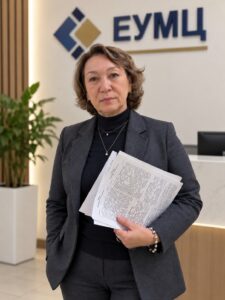

Areas of activity
- Certification of workplaces for working conditions.
- Occupational risk assessment.
Certification results are used for
- organizational and technical measures to improve working conditions and safety and bring facilities into compliance with regulatory requirements;
- assessing the actual state of the work environment and safety at workplaces;
- determining whether workers are provided with personal and collective protective equipment and whether it matches working conditions and standards;
- confirming work in harmful or hazardous conditions, establishing the link between a disease and the occupation and diagnosing occupational disease, including in court disputes;
- deciding to stop or suspend the operation of a facility or equipment, or to change technology;
- compiling statistical reports on working conditions;
- setting the employer’s insurance rate for workers’ accident insurance;
- justifying pay, benefits, and compensation for workers in harmful and hazardous conditions;
- informing workers about working conditions and occupational safety, harmful production factors, and protective measures.
Stages of occupational risk assessment
- Identifying harmful and hazardous factors: mechanical, physical, chemical, biological, and psychophysiological.
- Assessing occupational risks: harmful working conditions, workplace injury risk, equipment safety, provision of personal protective equipment, and risk of illness.
- Documenting results: completing forms and protocols and preparing a report.

The Center develops and revises evidence-based labor standards for enterprises and organizations of all forms of ownership: time, staffing, span-of-control, labor intensity, and service standards. It also develops and updates standards for workplace safety and health.
Main areas
- Developing evidence-based labor standards and revising them to reflect new technologies and the legislation of the Republic of Kazakhstan.
- Sharing experience and taking part in conferences and seminars on work measurement and standardization in workplace safety and health.
- Information, consulting, research, and implementation services in developing labor standards and standardization.
Areas of Activity of Divisions
Click a title to expand its description.
Research Center
The Research Center is a structural division of the Institute that implements scientific and technical programs (STPs) and conducts applied research and analytical studies in occupational safety, occupational hygiene, occupational risks, and social and labor relations.
The Center’s work focuses on developing evidence-based approaches to workplace safety and better working conditions, improving state regulation of occupational safety, conducting statistical research, and preparing analytical materials for management decisions.
Main areas of activity
- Implementation of scientific and technical programs (STPs) — organizing and conducting research, carrying out program activities, and achieving target results.
- Research in occupational safety and hygiene — studying working conditions, production factors, occupational risks, workplace injuries, and occupational diseases.
- Social and legal research — improving the regulatory framework for occupational safety and developing proposals for state policy on workplace safety and health.
- Analytical and statistical research — processing and analyzing data, preparing statistical materials, analytical reviews, forecasts, and expert opinions.
- Development of scientific and methodological materials — preparing methods, recommendations, assessment criteria, and evidence-based proposals for government bodies and employers.
- Development and improvement of occupational risk assessment methods — building approaches to identifying, assessing, and preventing workplace hazards.
- Implementation of research results — preparing practical solutions, draft regulations, and recommendations, and supporting their application at enterprises.
- Expert and analytical support — preparing materials on current issues of occupational safety and social and labor relations to support informed decisions.
Results
The Center’s outputs include completed scientific and technical programs, research and analytical reports, methodological recommendations, draft regulations, statistical studies, and practical solutions aimed at improving workplace safety and occupational risk management.
Department of Administrative Control and Digitalization
The Department provides information services and automates and digitalizes processes in occupational safety.
Areas of activity
- Developing information technologies across the Institute.
- Managing social media and preparing design materials.
- Introducing automated management systems and new portal and website features.
- Running training seminars on software use.
- Ensuring uninterrupted operation of equipment and user workstations, and promptly fixing failures.
- Maintaining server equipment and the network.
Occupational Risk Assessment Center
Areas of activity
- Certification of workplaces for working conditions.
- Occupational risk assessment.
Certification results are used for
- organizational and technical measures to improve working conditions and safety and bring facilities into compliance with regulatory requirements;
- assessing the actual state of the work environment and safety at workplaces;
- determining whether workers are provided with personal and collective protective equipment and whether it matches working conditions and standards;
- confirming work in harmful or hazardous conditions, establishing the link between a disease and the occupation and diagnosing occupational disease, including in court disputes;
- deciding to stop or suspend the operation of a facility or equipment, or to change technology;
- compiling statistical reports on working conditions;
- setting the employer’s insurance rate for workers’ accident insurance;
- justifying pay, benefits, and compensation for workers in harmful and hazardous conditions;
- informing workers about working conditions and occupational safety, harmful production factors, and protective measures.
Stages of occupational risk assessment
- Identifying harmful and hazardous factors: mechanical, physical, chemical, biological, and psychophysiological.
- Assessing occupational risks: harmful working conditions, workplace injury risk, equipment safety, provision of personal protective equipment, and risk of illness.
- Documenting results: completing forms and protocols and preparing a report.
Center for Professional Competencies
The Center provides multi-level training across a wide range of programs and offers educational, consulting, and information services in workplace safety and health.
Areas of activity
- Educational, information, consulting, research, and implementation services for employers in occupational and industrial safety.
- Advanced training for company staff in workplace safety and health.
- Organizing and delivering training for staff, managers, and specialists on workplace safety and health.
- Developing training, regulatory, and reference materials, manuals, recommendations, and assessment toolkits.
- Reviewing training, regulatory, and reference materials, manuals, recommendations, and assessment toolkits.
- Supporting training and testing software for safety, occupational health, and environmental protection.
Center for Labor Standardization and Work Measurement
The Center develops and revises evidence-based labor standards for enterprises and organizations of all forms of ownership: time, staffing, span-of-control, labor intensity, and service standards. It also develops and updates standards for workplace safety and health.
Main areas
- Developing evidence-based labor standards and revising them to reflect new technologies and the legislation of the Republic of Kazakhstan.
- Sharing experience and taking part in conferences and seminars on work measurement and standardization in workplace safety and health.
- Information, consulting, research, and implementation services in developing labor standards and standardization.
Testing Laboratory for Measurement and Control
The laboratory’s modern facilities allow it to measure work environment and work process factors with high accuracy and to carry out qualitative and quantitative analyses of workplace air, the environment, and industrial emissions.
Its work supports the Institute’s research and its services to Kazakhstan enterprises in ensuring safe working conditions and managing occupational risks.